Summary
ROLE
Co-Founder, Head of Product & Design
TEAM
Michael Garvey (me), Zoya Lehrer (CEO), Development team
TIMELINE
April 2023 - Present (2.5 years)
TOOLS
Figma, React Native, Expo, Supabase, PostHog, RevenueCat, Adobe After Effects
Paying families in 2 months with <$3K marketing spend
App Store rating from active users
Free-to-paid conversion (3-4x industry standard)
Daily opens per user - highly engaged
Users grown completely organically
ARR in first 2 months post-launch
MY CONTRIBUTION
Product designer who taught myself React Native to contribute to the frontend. Led user research, designed all screens, built features and UI components, set up analytics infrastructure, managed app deployments, and handled brand and monetization strategy.
Background
In March 2023, my boss's boss at Webster Bank quit to solve a problem. Zoya had been a tech exec for 20+ years but became a sports mom and realized that managing the logistics of her daily life - simply getting the right people, to the right places, on time - had become untenable.
She tagged me in to help. I was 24, working on digital banking products for 800K users, and moonlighting seemed like a good challenge. We met at a Starbucks in Morristown, New Jersey with a developer and got started.
My first question: "How do we know this is actually a problem?" Zoya had experienced it firsthand, but one person's frustration doesn't validate a market. We needed to talk to real families before building anything. So we got to work recruiting parents and setting up interviews.
The Problem
Picture this: Your kid has soccer at 5:30 PM. The field is 20 minutes away. You want to arrive 10 minutes early. You need 15 minutes to get them ready. Suddenly, you're doing T-minus mental math to figure out you need to start at 4:45 PM.
Now multiply that by three kids, across different activities, with different drivers, at different locations.
30 million sports families in the US manage this complexity daily. They're juggling Google Calendar, team apps like TeamSnap, group texts, and carpools, all while simply trying to be on time.
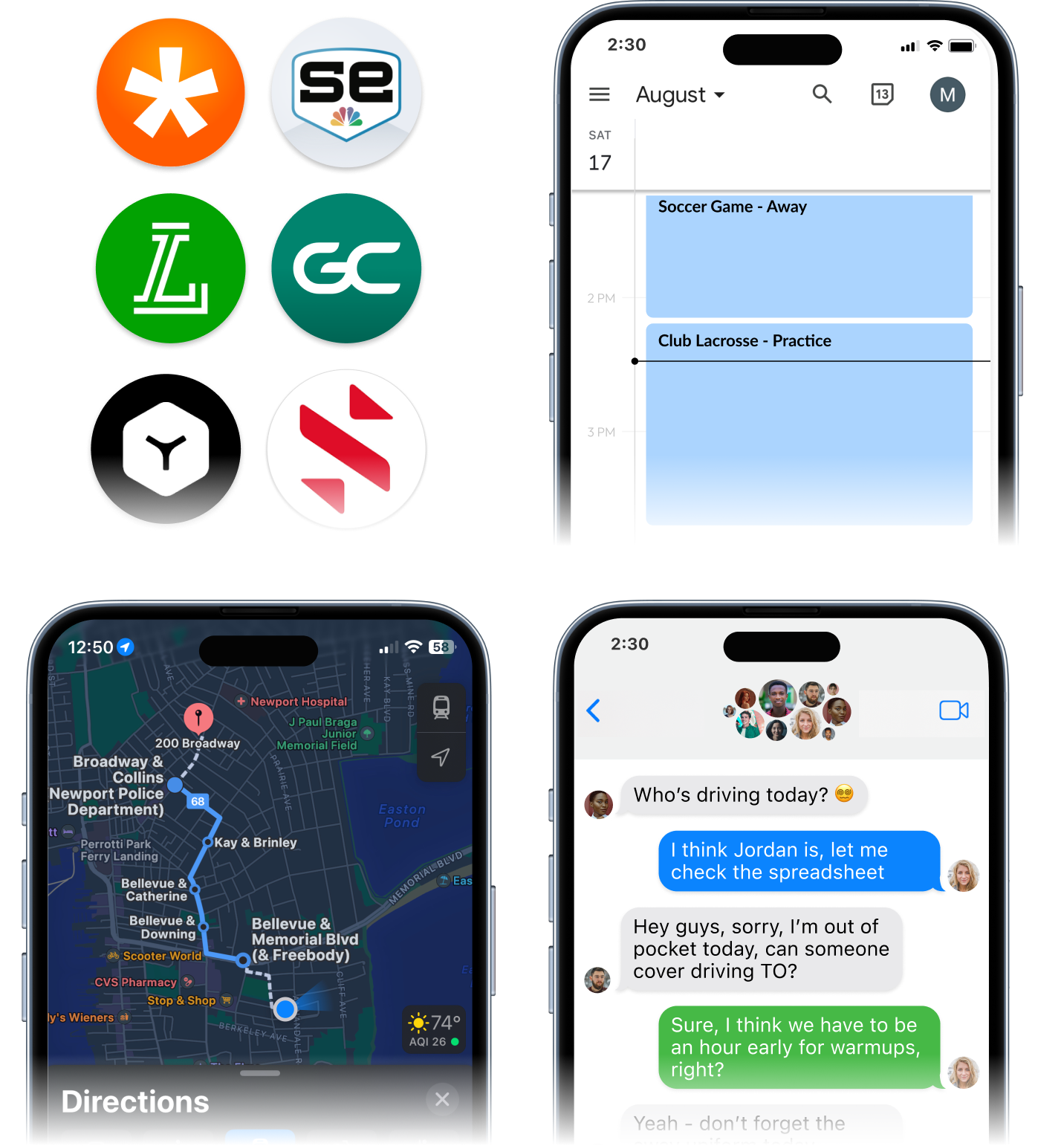
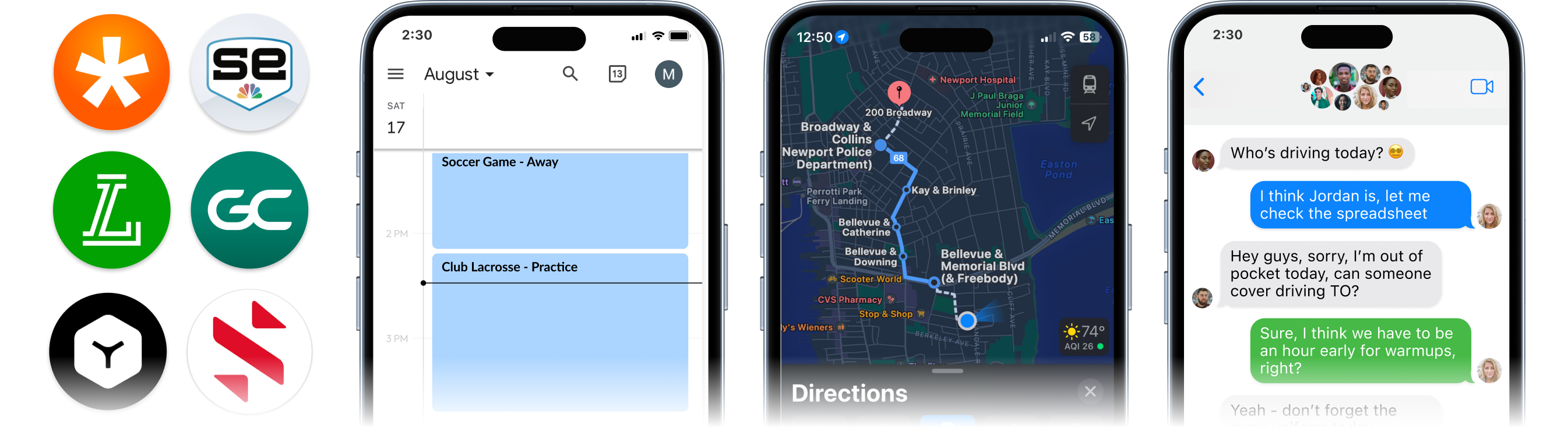
I facilitated a focus group with 20 parents, and we individually interviewed 12 more.
What we heard from parents:
"When I put a 10:30 in my calendar, it's not actually a 10:30 - we have to leave at 9:45."
— Adam, dad of 2
"I'm not a teleporting unicorn, but my calendar thinks I am."
— Zoya, mom of 3
"The only enjoyable part of this is when an activity gets cancelled."
— Katie, mom of 2
Five core pain points:
- 1Coordinating people, places, and times across multiple kids and activities
- 2Reverse-calculating departure times and forgetting prep steps
- 3Adapting to constant changes (weather, cancellations, carpool swaps)
- 4Collaborating across families for carpools without endless texts
- 5Maintaining an accurate view of what the day actually looks like
The core problem: Schedules live everywhere - emails, team apps, group texts, Google Calendar. No single tool brought it all together while handling prep time, travel time, early arrival, driver coordination, or the reality that you have to traverse space and time to actually execute on commitments.
The insight: People don't just need a calendar. They need a logistics engine that works backward from when things happen to when they need to act.
We had our problem. Now we needed to build the solution.
Ideation: Designing the Core Experience
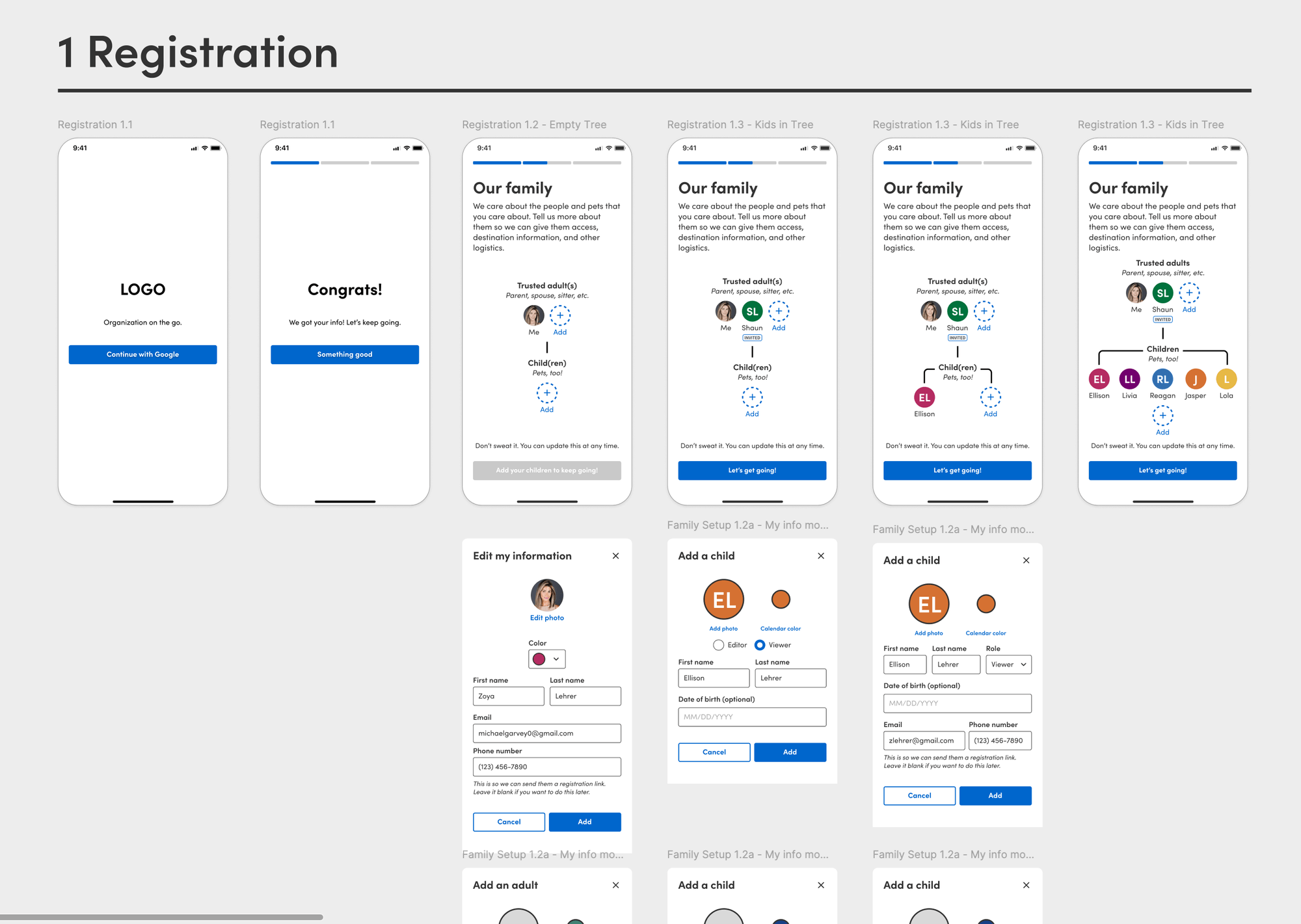
I started in FigJam, sketching the four core areas:
- Registration - Get people in fast
- Crew Management - Who's in your family/circle
- Activity Addition - The heart of the product
- Calendar Views - See your day unfold realistically
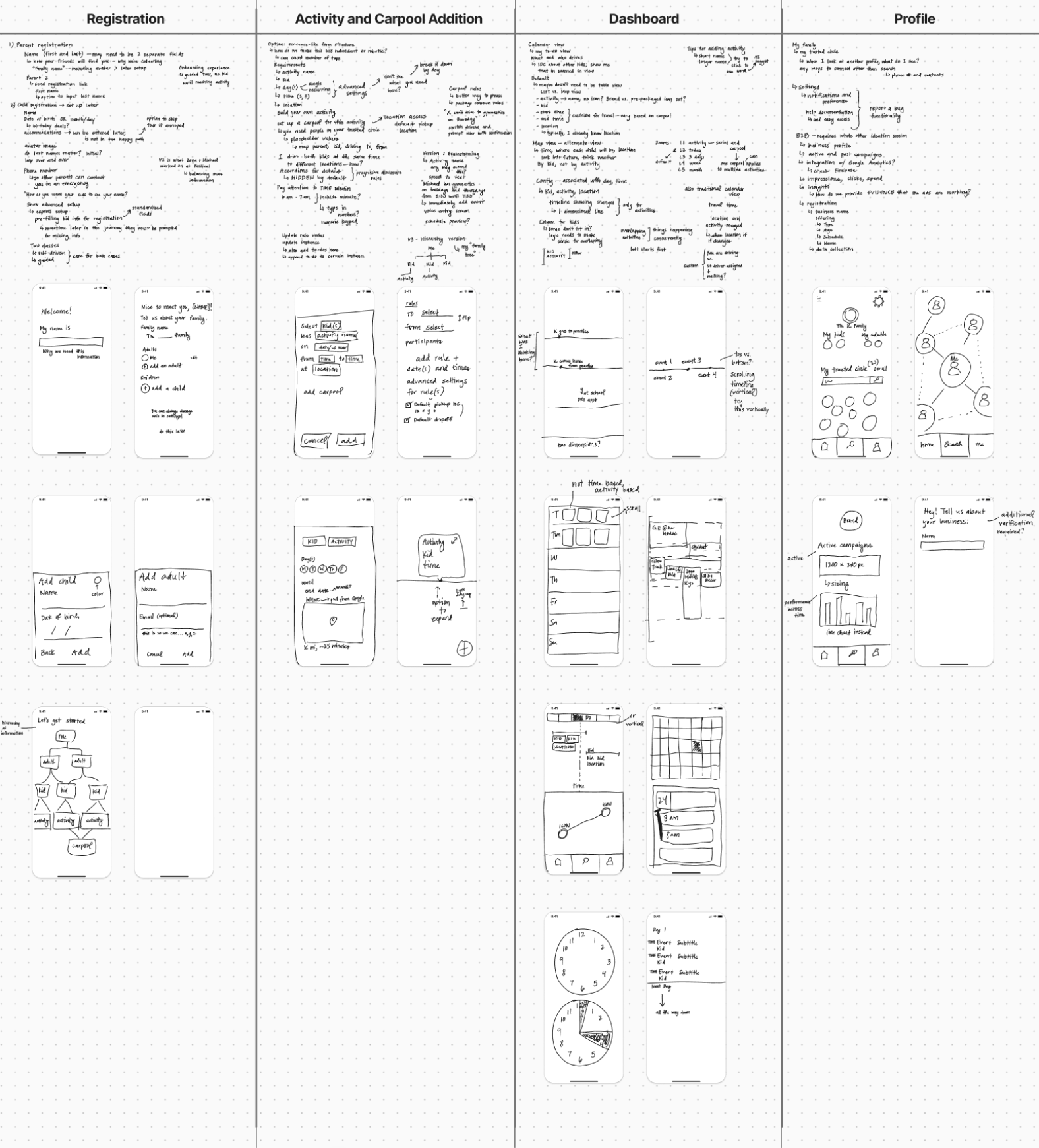
Then I moved to Figma to create detailed wireframes and user flows.
The First Big Decision: Activity Structure
Traditional calendars ask: "What time does it start?"
We needed to ask: "When do you need to START PREPARING?"
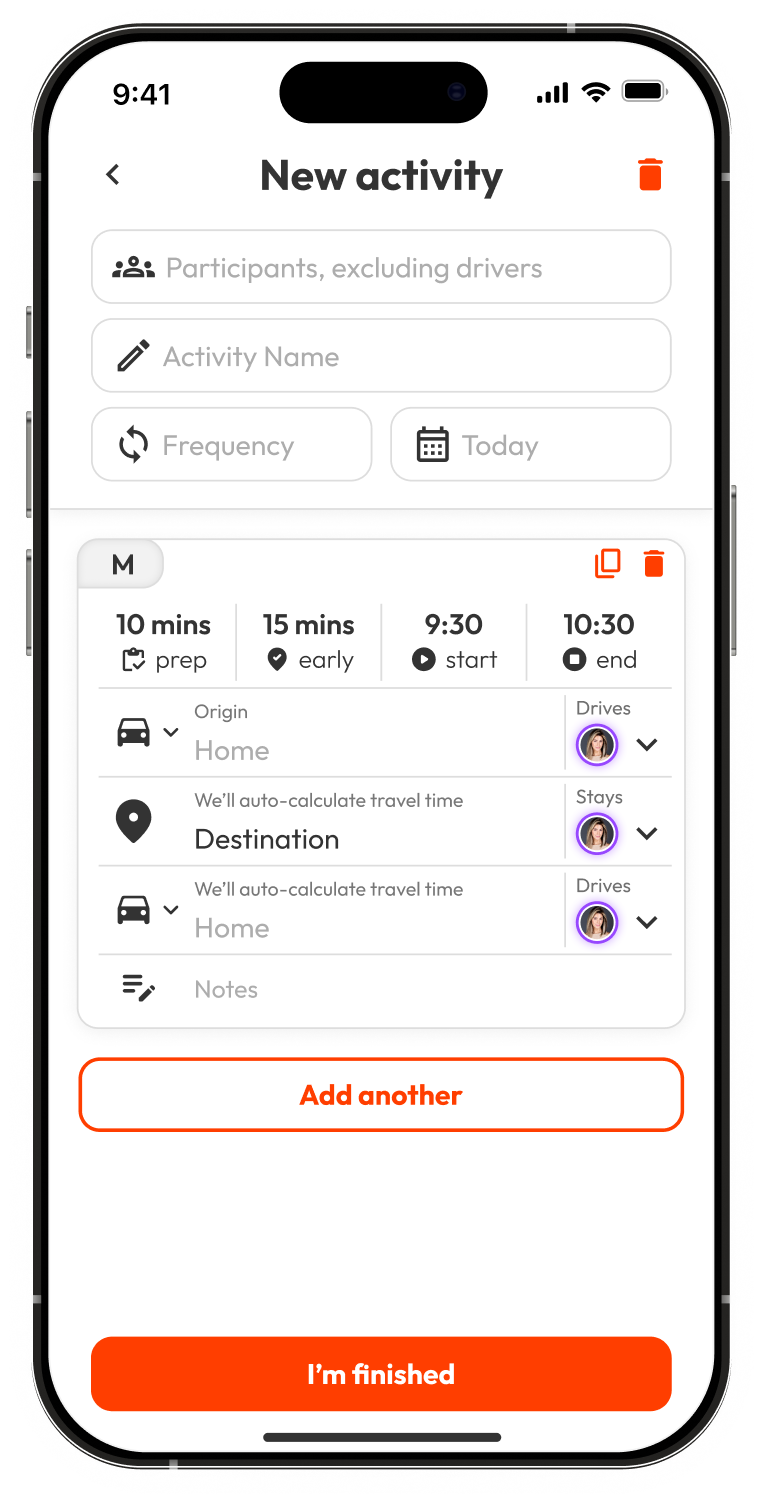
I designed events with multiple segments:
- Early arrival buffer (don't be late)
- Travel time (auto-calculated from home)
- Event time (the actual activity)
This meant building something fundamentally different from Google Calendar. It was riskier, but it solved the actual problem. Getting the activity addition screen right took three iterations - refining the structure, testing different UI approaches, and figuring out how much information to show without overwhelming users.
Iteration
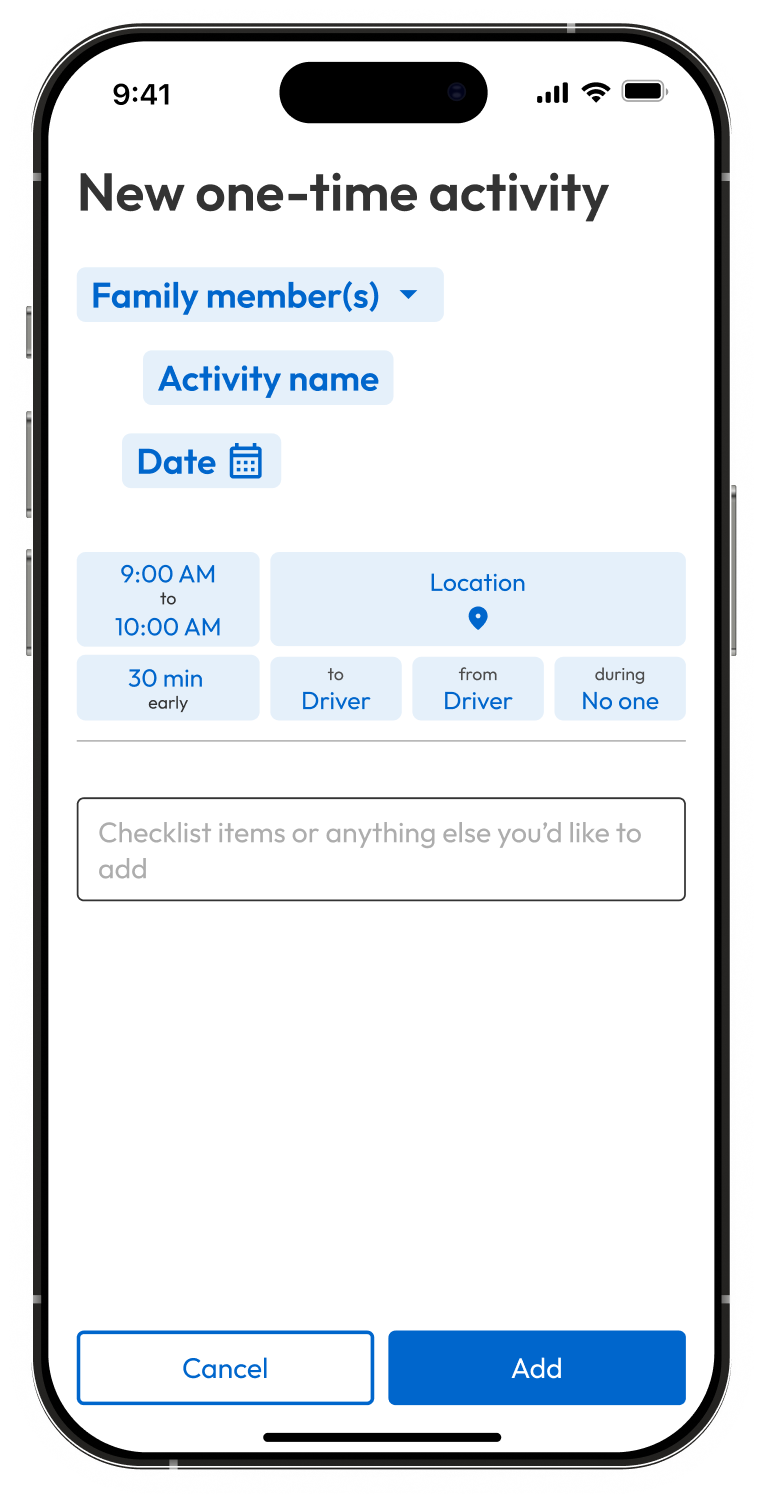
- Early arrival buffer
- Role assignment (driving TO, AT, FROM)
Iteration
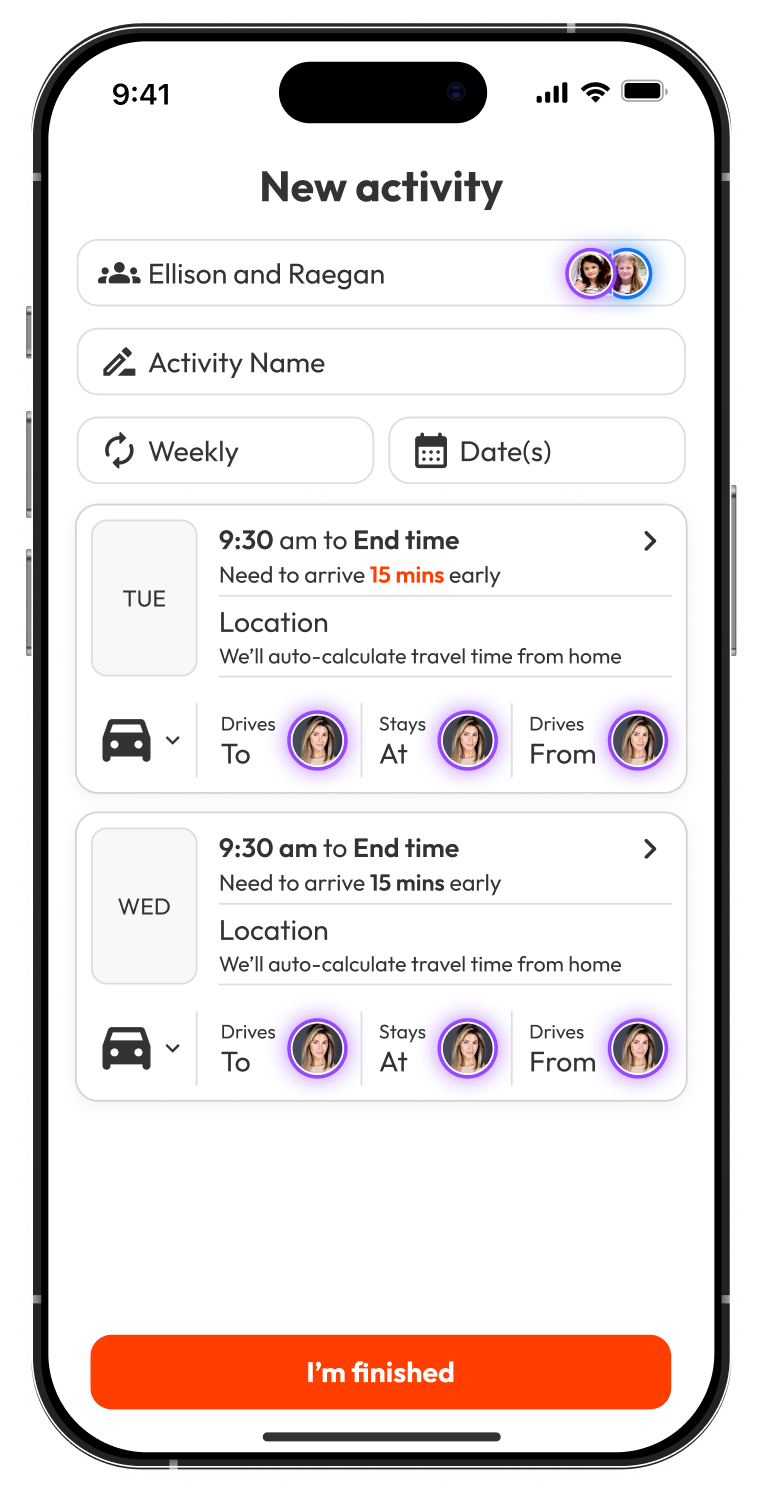
- Variant cards for recurring activities
- Transportation method selection
Iteration
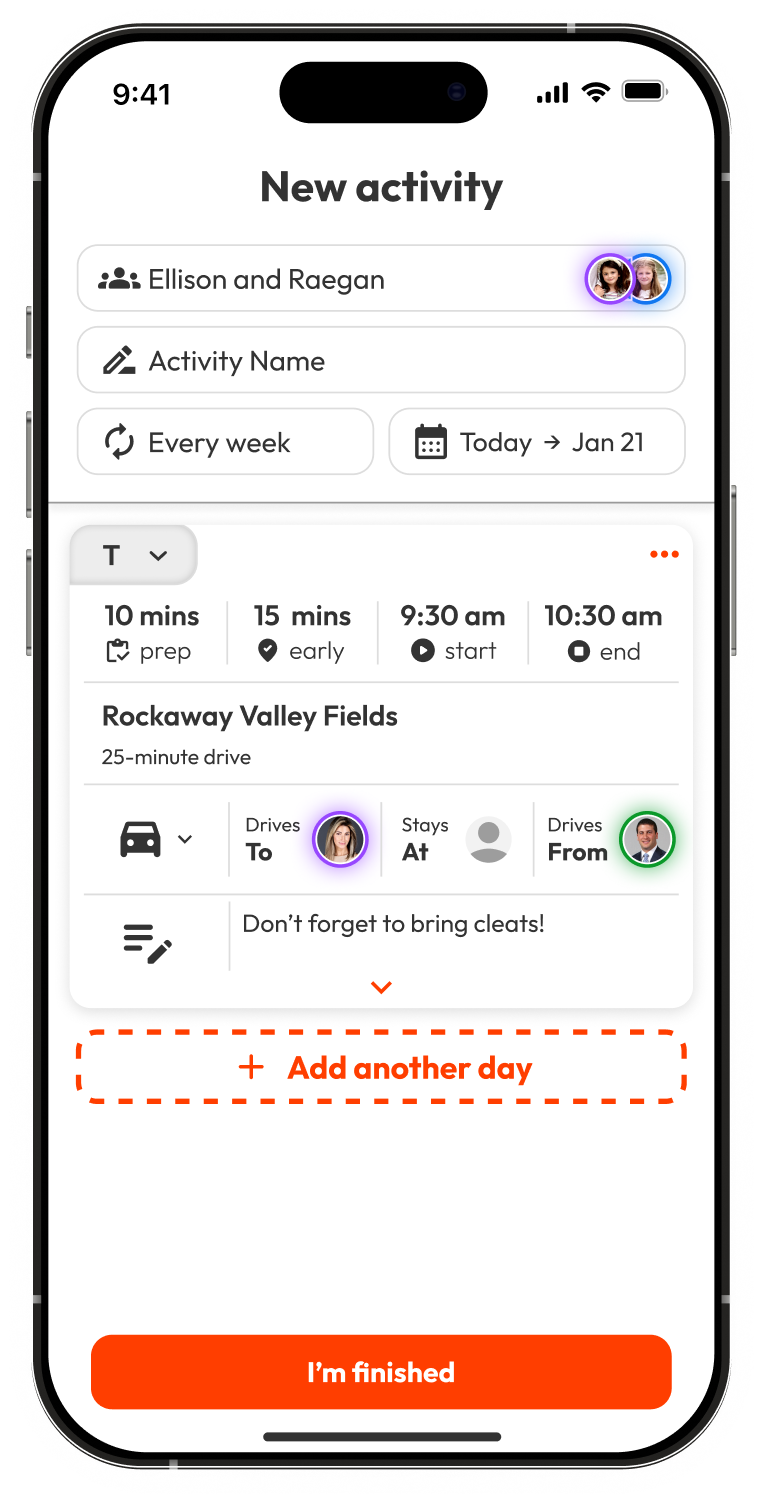
- Prep time field
- Redesigned timing UI
- Notes field
October 2023: Alpha Testing
We launched to 25 users via Expo (not even TestFlight yet - they had to scan QR codes to download). The alpha group used the app for a couple of weeks, and we had a GroupMe where they could report bugs, feedback, and issues.
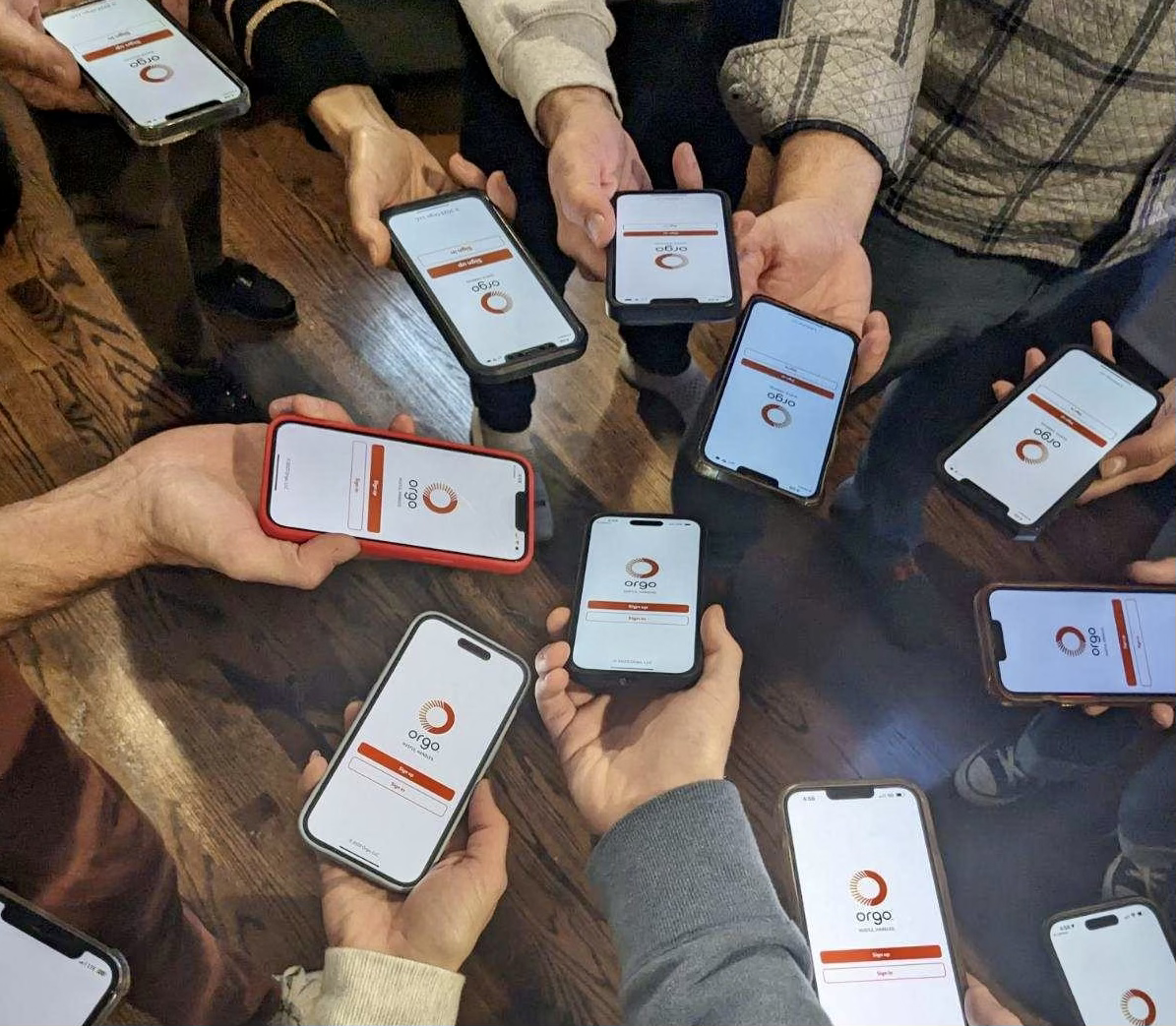
The feedback was swift and humbling. Users understood the concept but kept asking: "Can I import my Google Calendar?" and "How do I change the default location?"
Two critical flaws emerged:
Flaw #1: No Integration
People already had their schedules in Google Calendar and TeamSnap. Asking them to manually re-enter everything was a non-starter.
Flaw #2: Assumed Everyone Lives at Home
Our events assumed origin and return were always "home." But real life is messier - pickup from school, going straight to the next activity, carpooling from a friend's house.
The hard truth: We'd built for our idealized version of the problem, not the messy reality of how families actually live.
We went back to the drawing board. Between October 2023 and April 2024, I redesigned the activity structure to support flexible origin and return locations. Users could now go from school → soccer → home, not just home → soccer → home.
We also knew Google Calendar integration was critical - it was the #1 request. But we considered Google a fast follower. If we waited to build everything perfectly, someone else would launch first. So we shipped what we had and planned to iterate fast.
Between alpha and public launch, there was significant under-the-hood work to get the app production-ready for Apple's App Store - setting up TestFlight for beta distribution, implementing App Store Connect workflows, and ensuring compliance with Apple's review guidelines.
April 2024: Public Launch
We pushed a public App Store release with the updated activity structure. Users came in from our waitlist - 500 registered users.
For 8 months, we iterated within the constraints of our initial platform. Our developers were talented but moonlighting like we were, which meant limited bandwidth for the ambitious features users wanted.
By January 2025, we faced a strategic choice: continue incremental improvements or rebuild the foundation to unlock faster iteration. We chose the latter.
The Pivot: Rebuilding Everything
We converted from LLC to C-Corp, restacked the cap table, and raised $80K from angel investors. We brought on new developers - a full-time development team in Brazil - and started a complete rewrite.
May-July 2025: Three months of ground-up rebuilding. We migrated from Firebase to Supabase, rewrote the entire codebase, and professionalized the infrastructure.
During this rebuild, I took on the operational work:
- Set up RevenueCat for monetization
- Implemented PostHog for analytics
- Configured iOS SKAN tracking for Meta ads
- Managed app deployments
The new foundation unlocked the speed we needed to build and iterate.
Feature Evolution: Building What Mattered
Once we had a solid foundation, we moved fast. Here's how the product evolved through user feedback:
Round 1: Calendar Integration (June 2025)
The problem: Manual entry was limiting adoption.
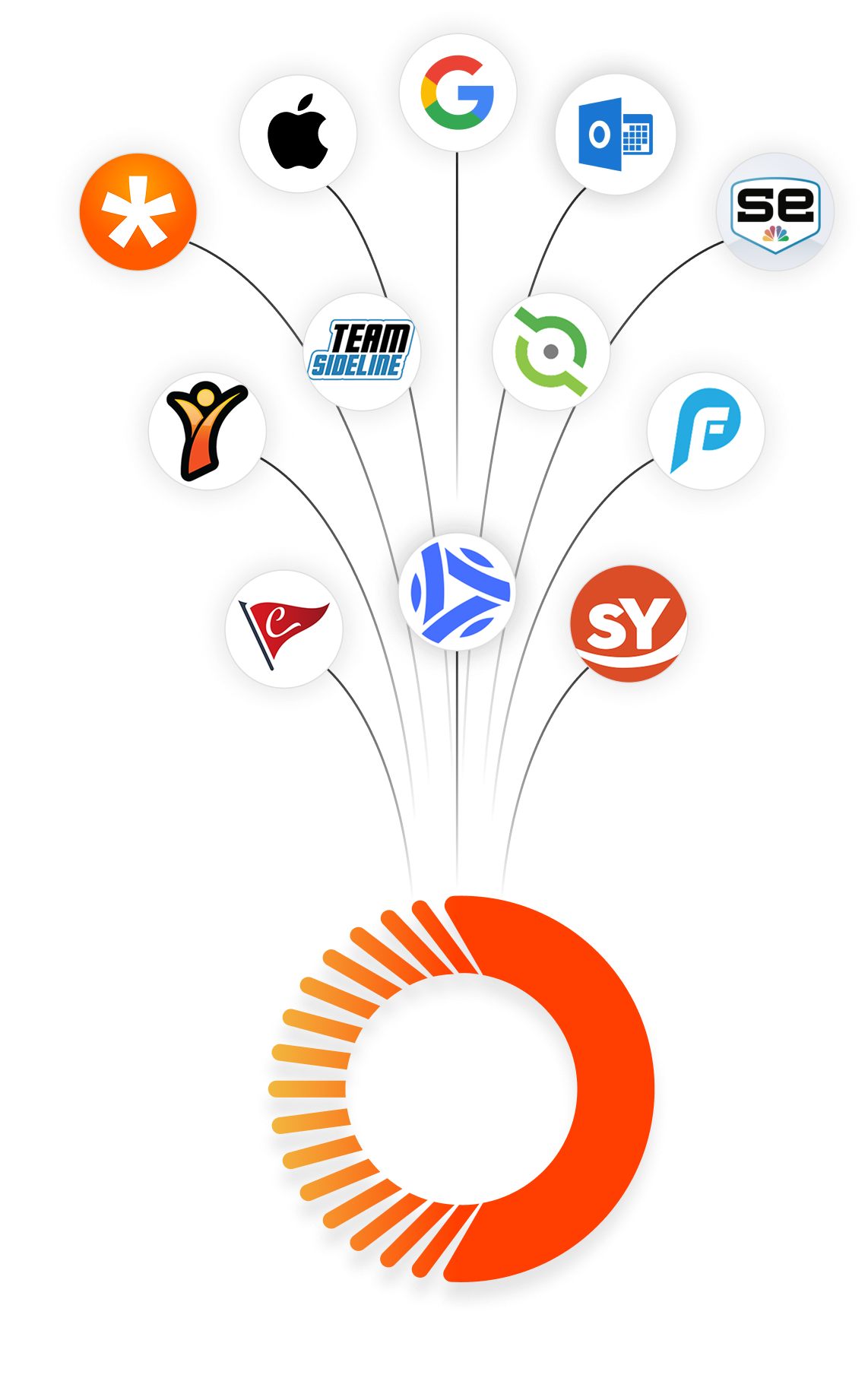
The solution: Leveraged existing APIs, webhooks (Google), and ICS link parsing to automatically translate 2D calendar events into our 3D logistics model - capturing not just when events happen, but how families actually move through their day.
Why it mattered: This was the #1 user request. It went from "nice idea" to "actively using daily."
Round 2: Monetization Strategy (September 2025)
The problem: App was entirely free until August. First attempt at monetization (free trial, no credit card) had only 10% conversion.
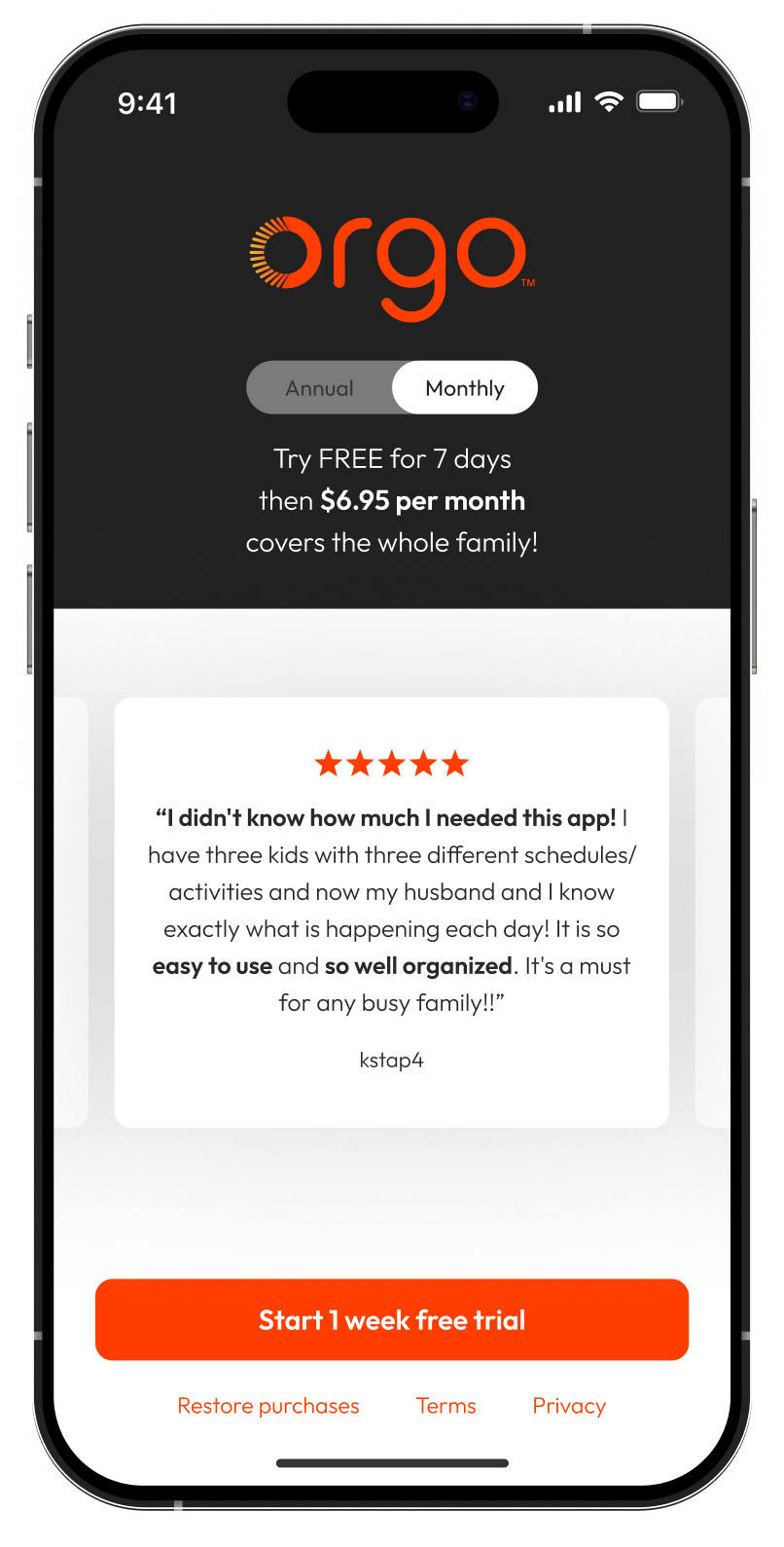
The solution: Switched to upfront payment in September. Users pay $6.95/month from day one, with clear value proposition. We grandfathered all existing users into a free year to reward early adopters.
Why it mattered: Conversion jumped from 10% to 40% - 4x better than before, and 3-4x industry standard. Got 150 paid families in first 2 months.
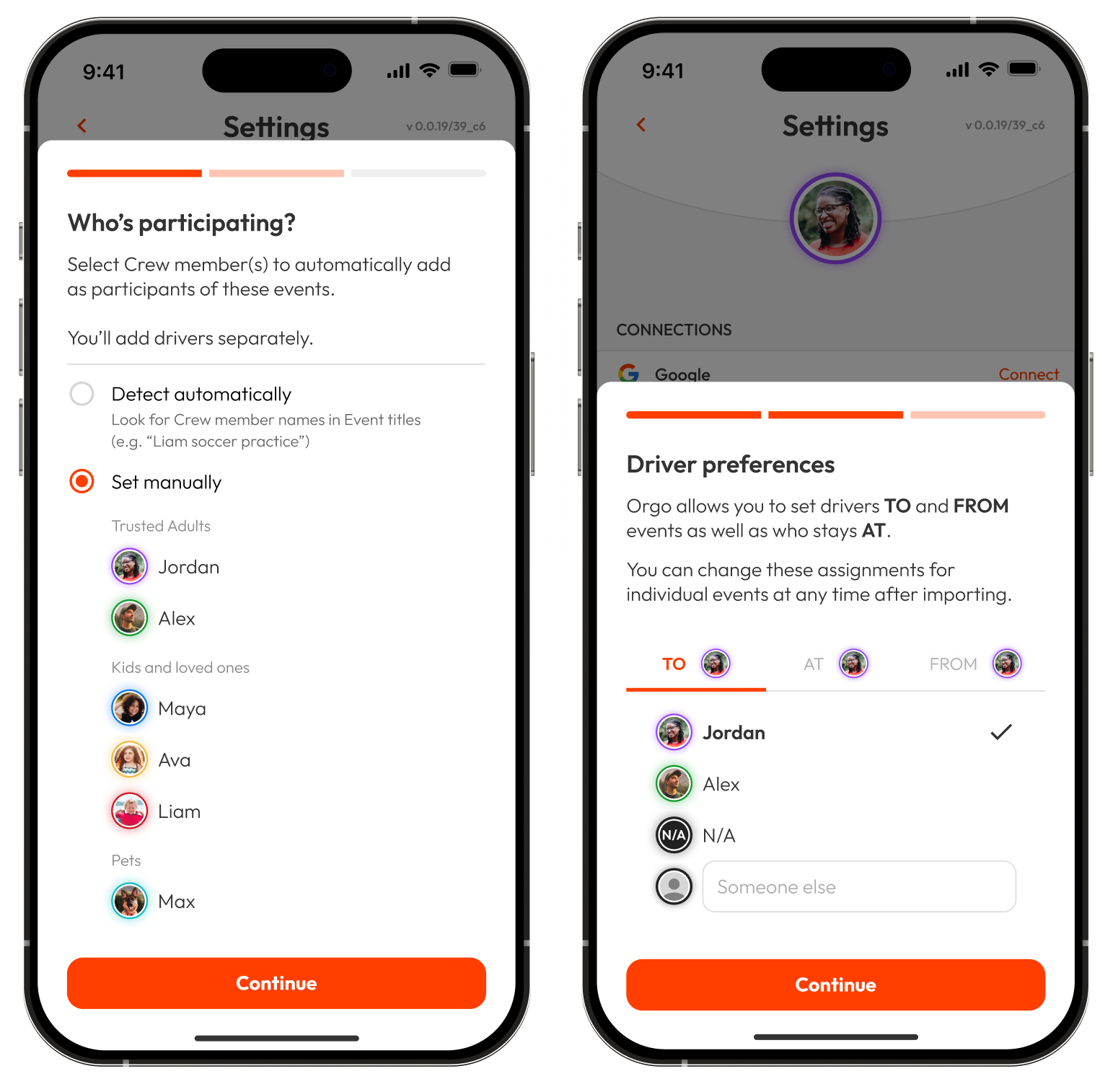
Round 3: Import Rules (October 2025)
The problem: When 50 events imported from Google, they all defaulted to the user. But "Tommy's Soccer Practice" should auto-assign to Tommy.
The solution: Smart import rules that let users set defaults (participants, drivers, locations) + AI name detection in event titles.
Why it mattered: Turned 2 hours of setup into 5 minutes.
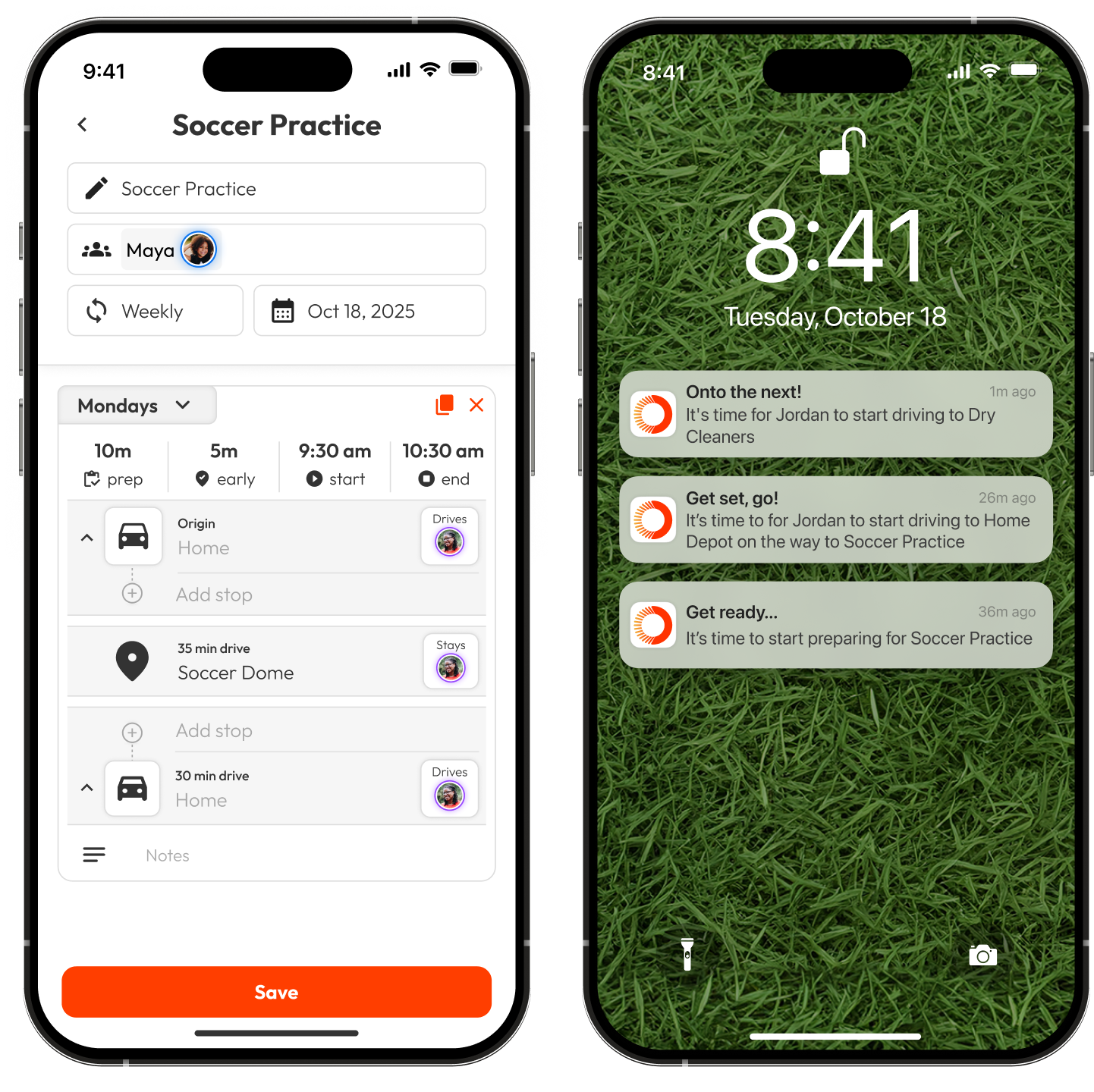
Round 4: Multi-Stop Trips (September 2025)
The problem: Real life has stops. "Grab Starbucks on the way" or "Pick up Emma before practice."
The solution: Let users add multiple stops to any trip, with time buffers for each.
Why it mattered: Finally reflected how people actually move through their day.
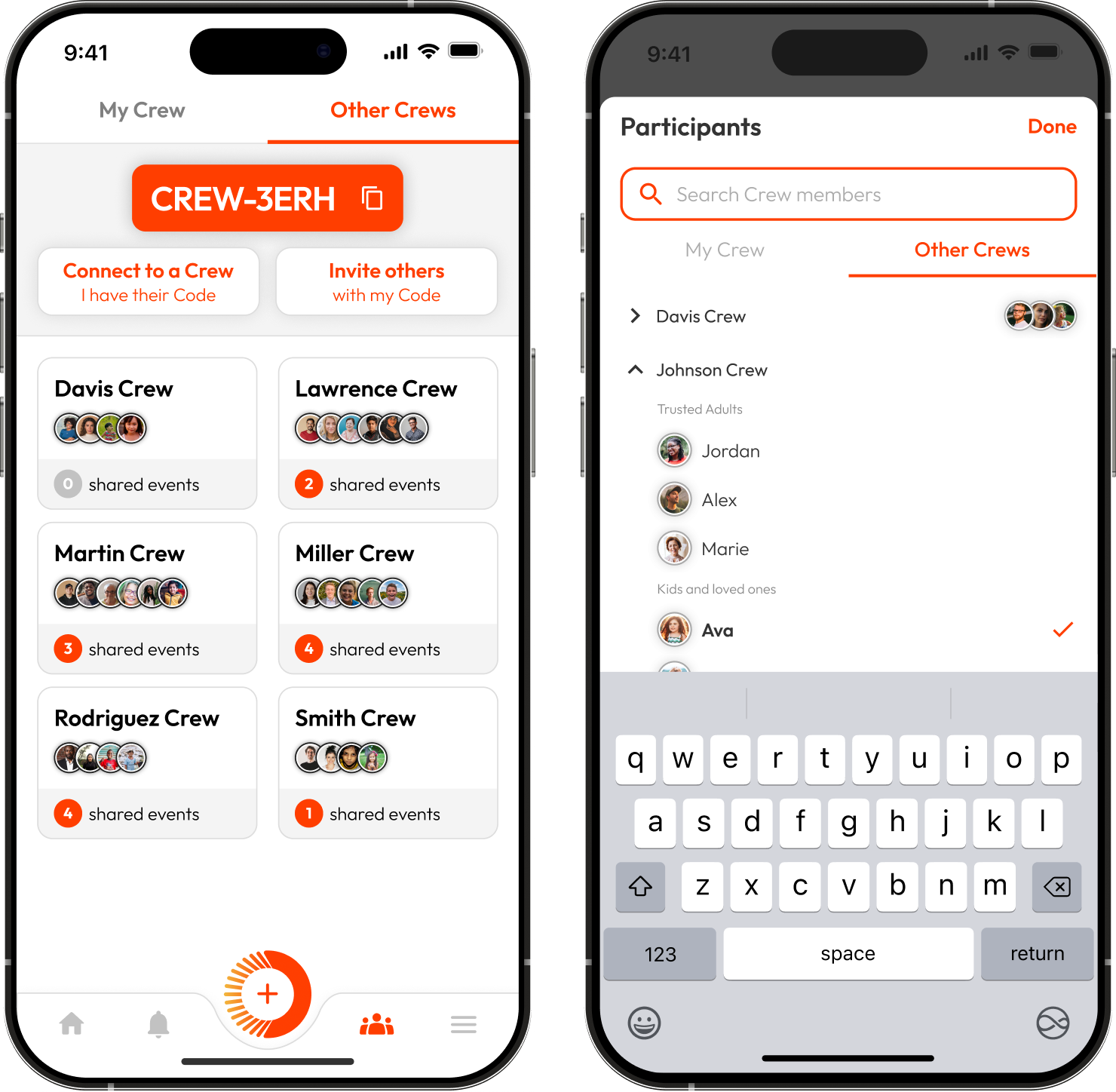
Round 5: Other Crews (November 2025)
The problem: Carpooling required coordinating across families via endless texts.
The solution: Connect with other families ("crews") in the app. Assign drivers from other crews, they get notified, confirm or decline.
Why it mattered: Eliminated the "who's driving?" group text chaos.
Current Product: The Full Experience
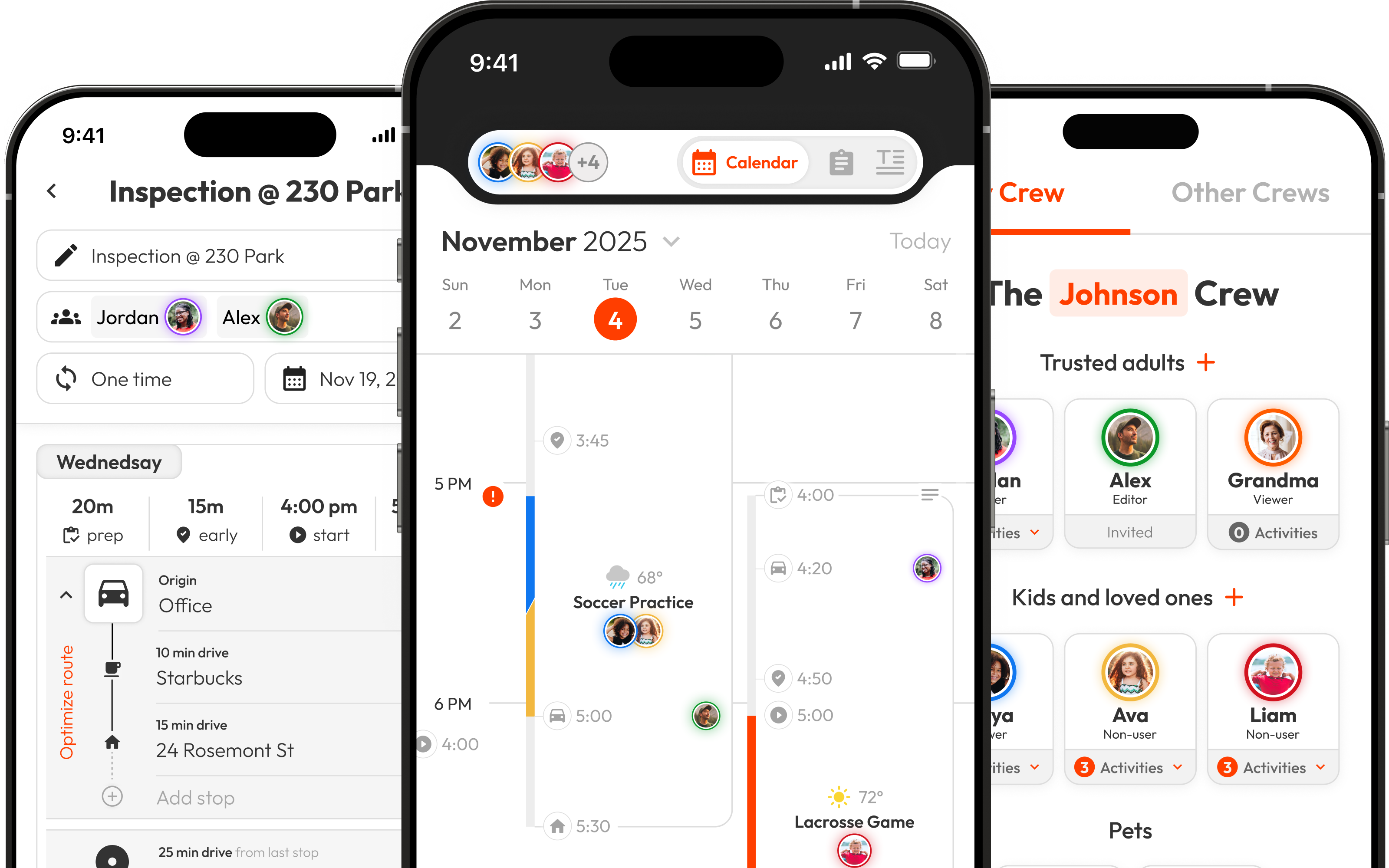
Video created from scratch in After Effects, including 3D phone model
What makes Orgo different:
For Scheduling
- Auto-calculated travel times using actual routes
- Prep time tracked separately from event time
- Early arrival buffers (show up 15 min before start)
- Multi-stop routing for errands and carpools
For Coordination
- Driver assignment for pickup, dropoff, and staying
- Cross-family crew connections for carpooling
- Smart notifications (only when you need to act)
- Three views: Calendar, Agenda, Text summary
For Accuracy
- Import rules for bulk setup from existing calendars
- AI name detection in event titles
- Weather integrated per event location
- Conflict detection on a per-person basis
The Results
From Launch to Traction
April 2024
Public Launch
- 500 registered users in first few months, 100% organic
- 4.8 App Store rating
- Feature requests flooding in
January 2025
Platform Rewrite
- Transitioned development teams
- Rebuilt on stronger technical foundation
- 3 months to ship V2 with calendar integrations
August 2025
Monetization Launch
- Switched from no-credit-card trial → upfront payment
- Conversion jumped from 10% → 40%
- Started first paid marketing campaigns
January 2026
Current
- 150 paid families in first 2 months ($6.95/month = ~$10K ARR)
- 1,100 weekly active users
- 4x daily opens per user (highly habitual)
- 400K notifications sent from 85K created events
- 2,500 beta users still active (grandfathered free)
Marketing Efficiency
- $50.61 CAC with 30% install-to-paid (3-4x industry standard)
- Grew organically to 2,500 users before any paid marketing
- Started paid ads in August 2025, now at 250K+ monthly impressions
What Users Say:
"Orgo allowed me to have a single version of the truth."
— Brosseau Family
"I never thought that type of reminder would be so useful until now."
— Ammlswcc
"My husband and I know exactly what is happening each day!"
— Kstap4
What I Learned
1. Start with validation, not vision
Running that first focus group was the best decision we made. It prevented us from building in a vacuum.
2. Users will tell you what's broken - listen
Every major feature came from user feedback. Google Calendar integration, origin/return locations, import rules - all user-driven.
3. Being designer + developer = better product decisions
Learning React Native let me make real-time tradeoffs between ideal design and technical feasibility. No "hand it off and hope" friction.
4. Bootstrapping requires strategic tradeoffs
Working unpaid for 2.5 years while freelancing taught me to ruthlessly prioritize. Limited time meant every feature decision had to count. When we finally raised funding, the difference in velocity was significant.
5. Operational skills matter as much as design skills
Setting up analytics, monetization, ad tracking, database queries - these aren't "design" but they're essential to shipping real products.
What's Next
We're not done. The vision is bigger than sports families.
Near term:
- Deeper AI features (suggest optimal carpool routes, predict conflicts)
- B2B expansion into real estate, caregiving, enterprise teams
- Continued funnel optimization to reach profitability
Long term:
- Become the scheduling infrastructure for any team coordinating people, places, and time
- $16.3B TAM across sports families, real estate, and caregiving
The core insight remains: Calendars should reflect reality, not just record events. We built that, and we're continuing to refine it as we grow.